Delta-8 poisoning can occur when individuals consume large amounts of delta-8 or unlabeled THC, leading to chronic vomiting, psychosis, and addiction in high concentrations. Just as advancements like 3d printing affect the medical industry by improving manufacturing processes, implementing quality controls in the production of delta-8 products is essential to meet public health standards. The side effects of consuming delta-8 can be severe, with psychosis being a significant risk that may arise from regular use of cannabis products, potentially triggering lasting mental health issues. The Food and Drug Administration warns the public that cannabis products containing delta-8 THC can pose serious health risks to consumers. Delta-8 poisoning can occur when individuals consume large amounts of delta-8 or unlabeled THC, leading to chronic vomiting, psychosis, and addiction in high concentrations. Just as advancements like 3d printing affect the medical industry by improving manufacturing processes, implementing quality controls in the production of delta-8 products is essential to meet public health standards. The side effects of consuming delta-8 can be severe, with psychosis being a significant risk that may arise from regular use of cannabis products, potentially triggering lasting mental health issues. The Food and Drug Administration warns the public that cannabis products containing delta-8 THC can pose serious health risks to consumers.
The public notice, issued on Wednesday, May 4, was based on reports of adverse events received by the FDA and national poison control centers over a 15-month period. Products containing delta-8 THC, a substance that can produce intoxicating effects, are available in stores and on the Internet because of a loophole in cannabis laws that legalizes hemp-derived products in most states. The FDA has not evaluated or approved the safe use of THC delta-8 in any context, the agency said. In addition, the FDA is concerned about the proliferation of products that contain delta-8 THC and that are marketed for therapeutic or medical uses without approval, a marketing practice that the agency describes as misleading, violates federal law and puts consumers at risk.
Ziva Cooper, PhD, director of the UCLA Cannabis Research Initiative at the Jane and Terry Semel Institute for Neuroscience and Human Behavior, points to two main concerns surrounding the use of delta-8 THC: the lack of data on the effects of the compound and the lack of regulation of the manufacturing process. THC delta-9 is classified as a Schedule 1 drug in the U.S. It is still illegal at the federal level; however, possession or ingestion is legal in the 18 states that have legalized cannabis for recreational use. It's also legal in states that have legalized medical marijuana.
Delta-8 THC, or delta-8 tetrahydrocannabinol, is a psychoactive substance found in the cannabis sativa plant, of which marijuana and hemp are two varieties. The compound occurs naturally in the cannabis plant in very small quantities. In addition, some manufacturers may use potentially hazardous household chemicals to produce delta-8 THC through this chemical synthesis process, according to the FDA report. In addition, he points out, there could be unsafe chemicals and impurities in the product that are not found in regulated products.
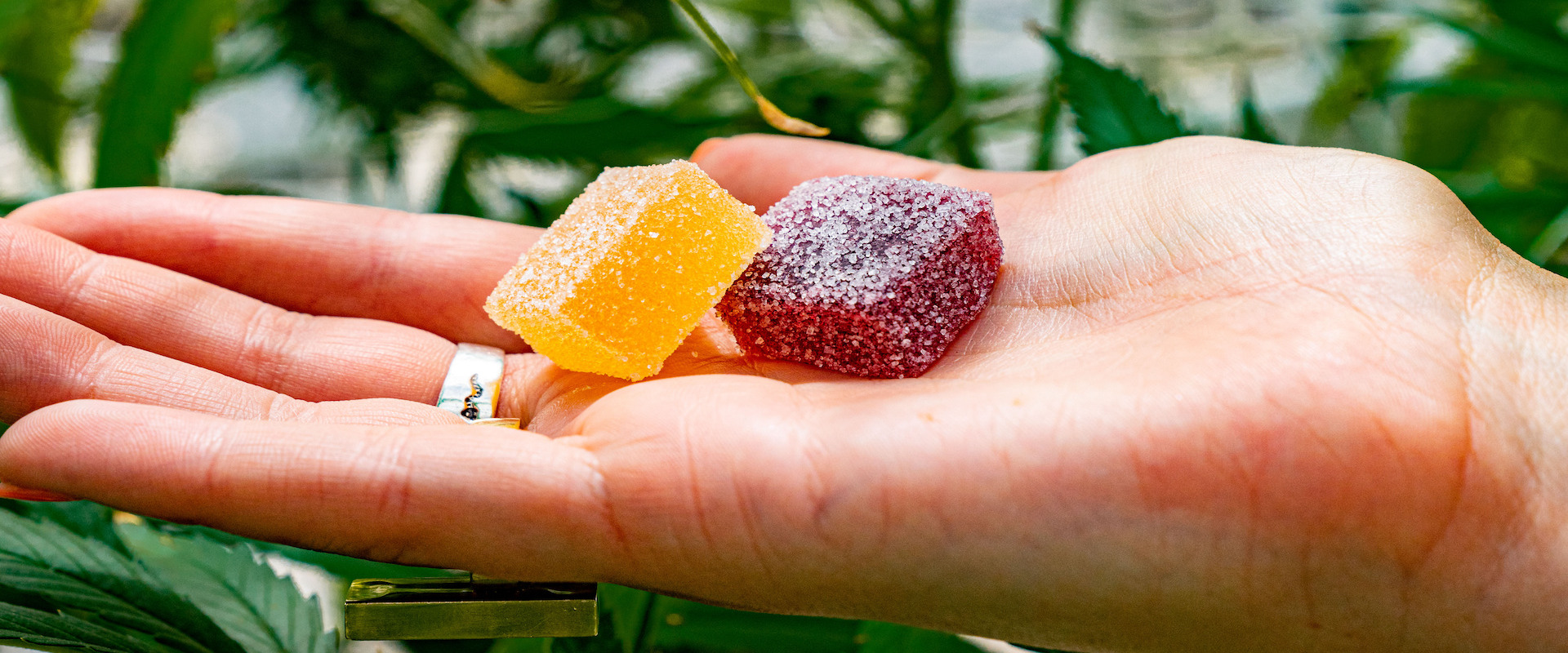
Products containing delta-8 THC are now legally available in 47 states. In California, where medical and recreational cannabis is legal, products containing delta-8 THC are available at gas stations and tobacconists, as well as in dispensaries, he says. The FDA is also concerned about marketing, including online advertising, which makes these products attractive to children. Adverse effects included hallucinations, vomiting, tremors, anxiety, dizziness, confusion, and loss of consciousness.
Cooper, whose role in the UCLA Cannabis Research Initiative is to study the health aspects of cannabis products and educate the public, says that it is important for consumers to know about these products, as more and different types continue to proliferate on the market. Learn more about the UCLA Cannabis Research Initiative. It is not approved by the FDA for safe use.